As the City of Kenosha has grown, more of its jet truck resources have been dedicated to hydro excavation, leaving fewer resources available for routine sewer cleaning. To help crews do more with less, Kenosha Water Utility implemented a condition-based maintenance program using the SL-RAT®. The result has been a more efficient maintenance strategy that has saved hundreds of thousands of dollars while reducing unnecessary cleaning.
In the field, crews immediately dispatch cleaning trucks to any blocked lines identified during acoustic screening. This proactive approach has prevented numerous blockages from becoming backups or sanitary sewer overflows. Other low-scoring pipes are logged in the city's GIS and grouped with nearby maintenance needs so they can be cleaned efficiently during future work.
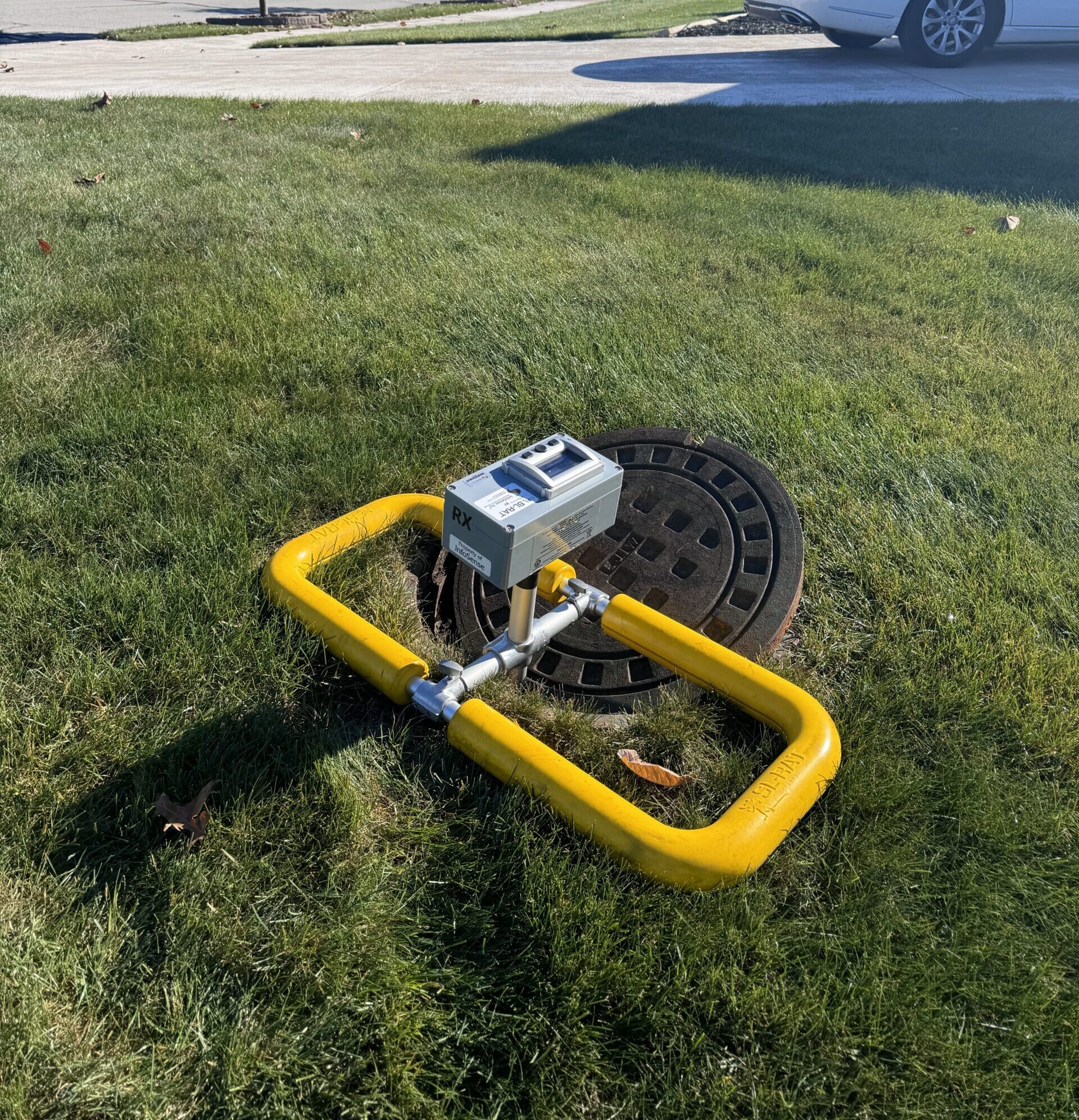
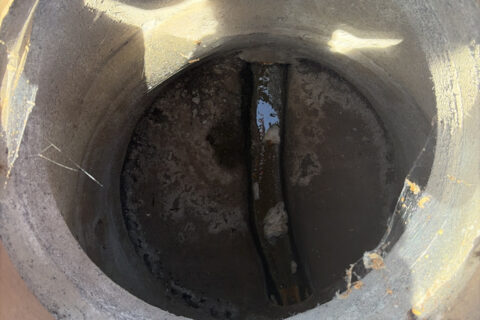
While performing inspections, crews also collect high-level information about each manhole. Although simple, this adds significant value because accessing a manhole is often the most time-consuming part of the inspection process. By combining these workflows, the team can identify and document maintenance issues, such as sources of inflow and infiltration (I/I), and address them as part of planned maintenance activities.
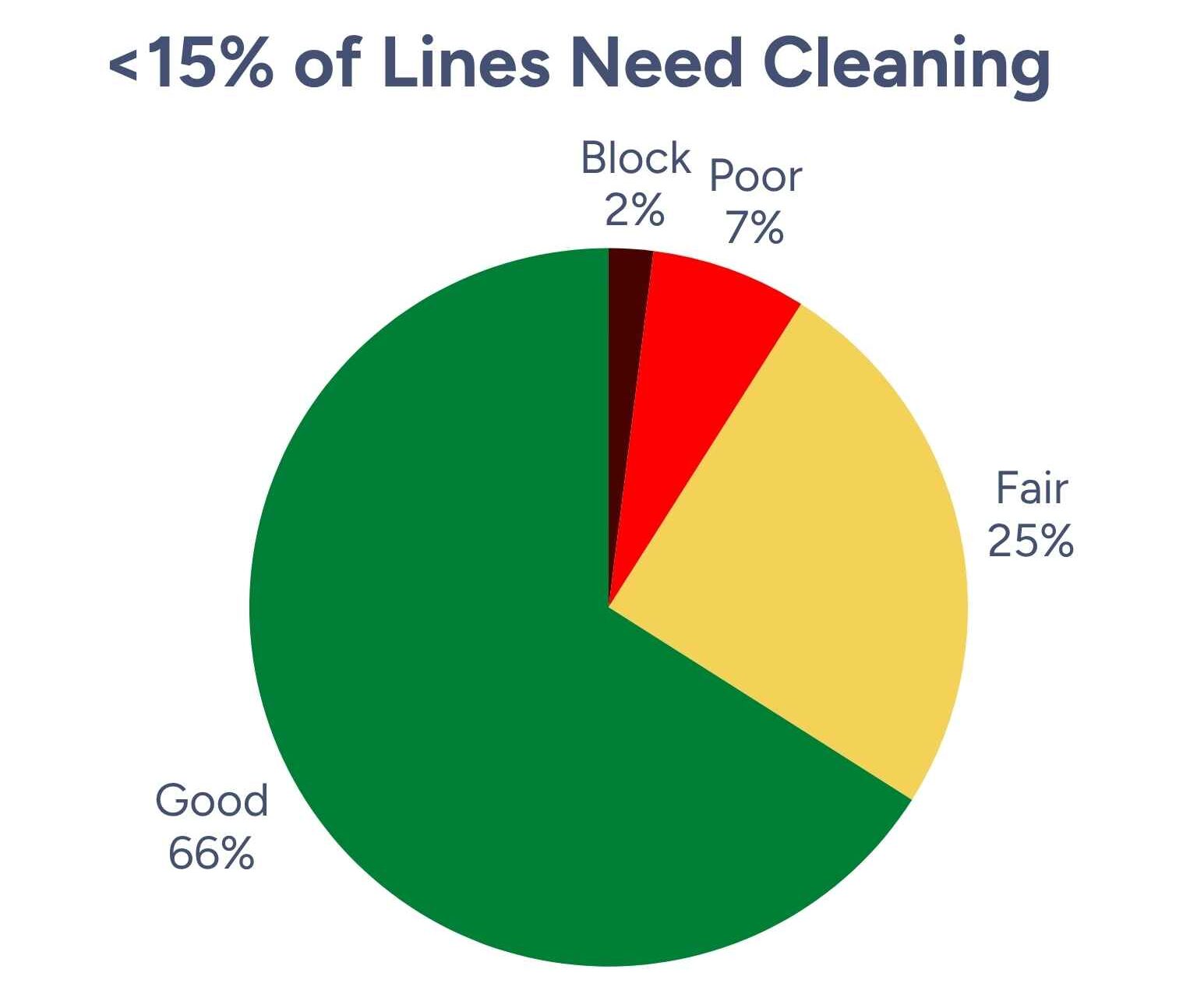
The program has delivered significant operational benefits. After screening more than 800,000 feet of gravity sewer with the SL-RAT®, less than 15% of sewer lines required cleaning. By avoiding unnecessary maintenance, Kenosha has saved more than $500,000 in cleaning costs, reduced labor by approximately 150 workdays, and conserved more than 3 million gallons of flushing water.